Two U.S. Pizza Team veterans bring American ingredients and Roman technique to Sweden’s Pizza Champion Cup.
American pizza is heading to Sweden, and it has no intention of blending into the scenery. U.S. Pizza Team members Sean Dempsey of Dempsey’s Brewery Pub & Restaurant in Watertown, South Dakota, and Chef Vitangelo “Vito” Recchia of Bella 
 Napoli Pizzeria & Restaurant in Port Charlotte, Florida, will compete at the Pizza Champion Cup International on September 15 in Gothenburg.
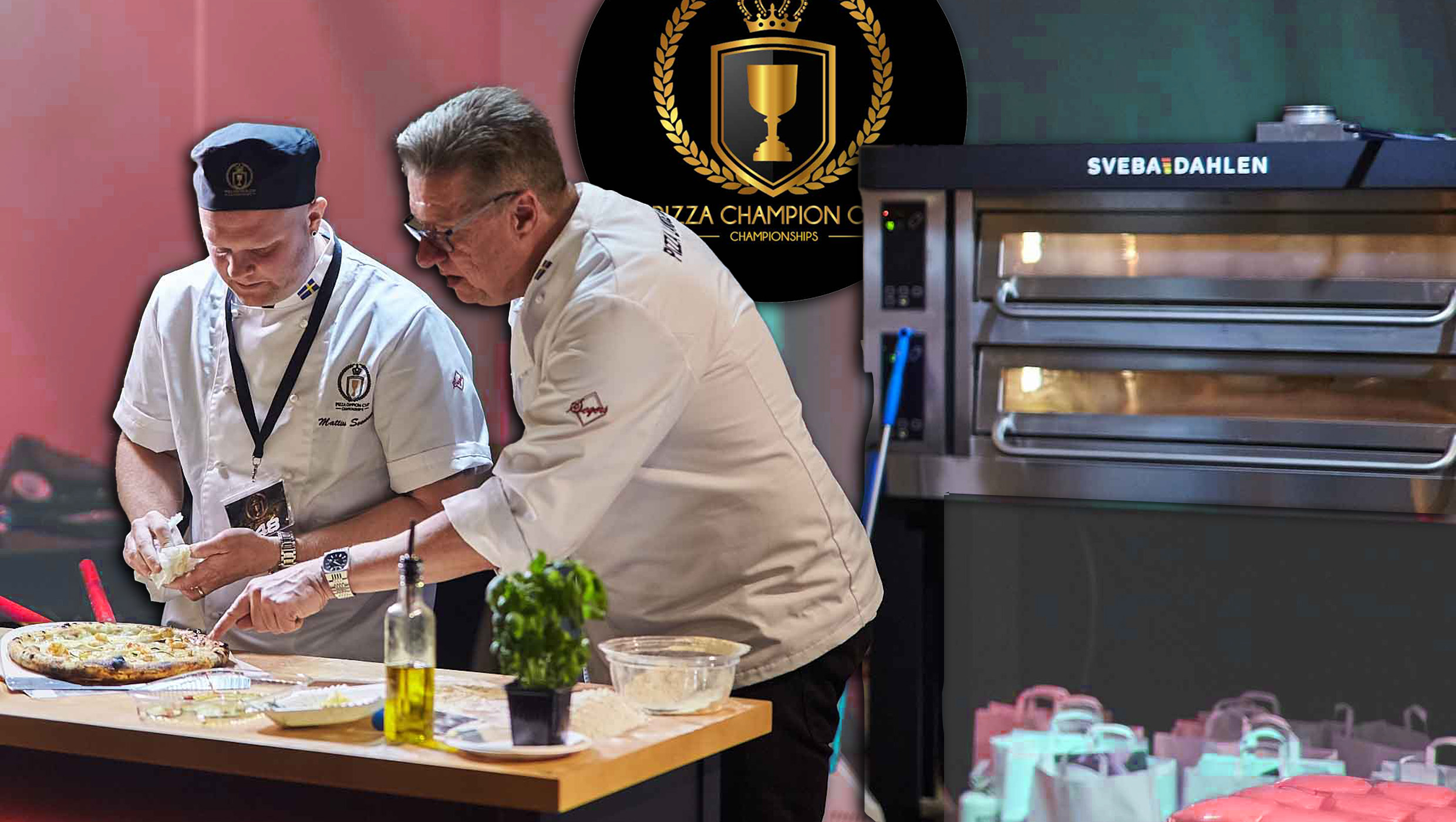
Founded by pizza world champion Mike Arvblom, the sold-out event will bring pizzaioli and chefs from several countries to the Svenska Mässan convention center.
Now entering its 11th edition, the Pizza Champion Cup was created to give pizza makers more than another trophy chase. Arvblom wanted an international platform where they would be recognized as culinary professionals and judged on craftsmanship, creativity and technique. “The priority is to become better: stronger judging, higher standards, greater international representation and more value for the competitors who earn recognition here,” he said.
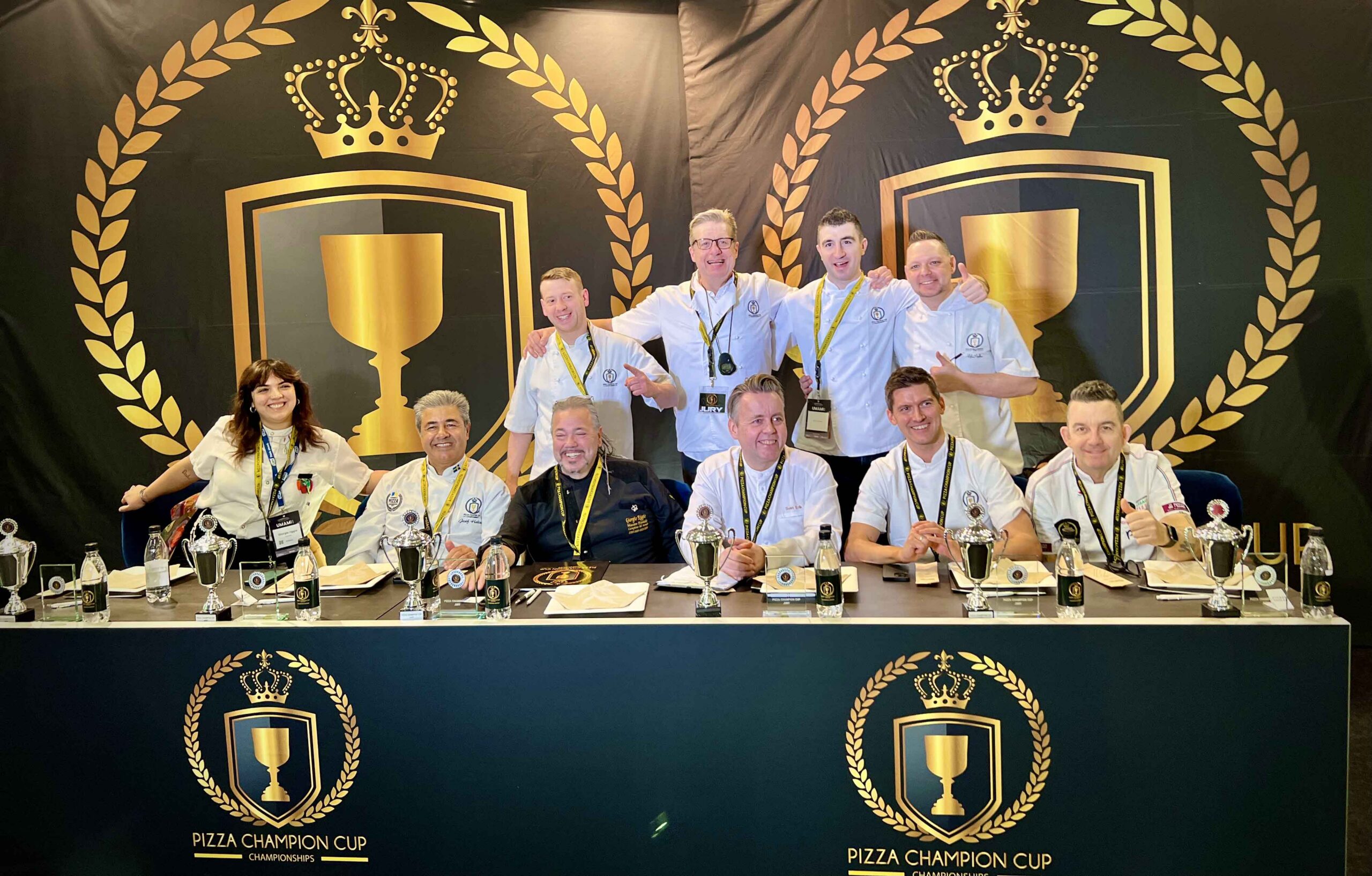
Fifteen judges will evaluate the competitors, including Michelin-recognized chefs Jonas Lagerström and Daniel Falkenman, two-time culinary world champion Krister Dahl, and Neapolitan pizza ambassador Luciano Sorbillo.
For Dempsey and Recchia, it’s an opportunity to represent PMQ’s U.S. Pizza Team and learn from a Nordic culinary culture neither has encountered on the competition floor.
Dempsey arrives in Sweden after a string of major finishes, including first place in Dessert Pizza at Pizza Senza Frontiere in Rimini. He also finished third overall in Legacy Non-Traditional and second in the Northwest Traditional regional at the International Pizza Challenge before winning the Gluten-Free division at the 2026 California Pizza Challenge.
“This year has been wild. I’m on hardware streak, taking six of the last seven competitions since last July, so heading into Sweden, I’m feeling pretty good,” Dempsey said.
“Going into a new venue, in a new country—it’s always a bit of a toss-up,” Dempsey added. Different equipment, ingredients and working conditions mean he will have to size up the room, adjust quickly and make the strongest pizza he can.
 Dempsey will compete in the International Nordic Best Gourmet Pizza category, which he compares to a traditional Classica competition. He is keeping the full concept under wraps but describes it as an elevated, historically inspired take on something Europeans may recognize as pub fare. Bacon and a little Dempsey “razzle-dazzle” will be involved, and he plans to present the pizza to the judges in Swedish.
As a REAL California Milk ambassador, Dempsey will showcase American dairy in his competition pizza. California mozzarella and San Joaquin Gold will appear as both finishing accents and a larger creamy component. “I think the world already knows we make some damn fine cheese and dairy,” he said, “but I plan on proving it some more.”
Earlier in his career, Dempsey tried to imitate the host country’s style, usually with less-than-ideal results. Experience taught him to respect the local culture without pretending to be someone else. “As I’ve grown into this role, I’ve discovered this one big secret. You gotta be you. Play into your strengths. Do what you do best,” he said.
The Dough Tells His Story
Recchia will take a different but complementary approach. The Pizza University instructor, Marra Forni ambassador and U.S. Pizza Team culinary coach will compete with Roman pan pizza, the style that launched his competitive career and remains central to his work. Rather than change his foundation for Sweden, he will bring the dough he knows and allow the region to influence what goes on top of it.
In only his second pizza competition, Recchia finished second in the world in Pizza in Teglia at the 2023 World Pizza  Championship in Parma, Italy. His Heart of Parma pizza also earned the highest score among all American competitors at the event. “That podium in Parma changed the trajectory for me because I honestly wasn’t expecting it,” he said.
Recchia now pressure-tests every component, knowing a few degrees of dough temperature, a fermentation shift or one bad oven decision can separate a great pizza from a podium finish. “I still get nervous. And I hope I always do,” he said. “Those nerves mean I still care. They mean I respect the competition, the judges, the other competitors and the opportunity I’ve been given to represent where I come from.”
In Sweden, Recchia plans to explore Nordic ingredients rather than haul a predetermined American or Italian ingredient list halfway around the world. He wants to understand the region’s products before interpreting them through his Roman style. “I don’t want to pretend I understand Swedish or Nordic cuisine better than the people who live it every day,” he said. “I want to learn about the ingredients, understand their place in the culture and then find a way to respectfully incorporate them into what I do.”
That adaptability reflects what Recchia teaches at Pizza University. Dealing with unfamiliar flour, water, humidity and ovens force competitors to understand why a process works instead of memorizing a recipe. His approach to Sweden can be summed up in one line: “The dough tells my story; the ingredients should tell a little bit of theirs.” As he reminds his students, “The dough doesn’t care about your schedule. You have to learn to read what’s in front of you.”
American Pizza Belongs in the Conversation
Arvblom sees Dempsey and Recchia as representatives of one of the world’s most dynamic pizza cultures. American pizza has been deeply shaped by Italian tradition, but generations of pizzaioli have transformed that foundation into regional U.S. styles and approaches of their own. “We don’t want every competitor to make the same pizza or follow one definition of excellence,” he said. “We want exceptional pizza makers to demonstrate what excellence means through their own traditions, knowledge and identity.”
Once the competition begins, however, neither nationality nor reputation can make the pizza for them. Arvblom said the dough must demonstrate an understanding of fermentation, structure and baking, while the ingredients need quality, balance and purpose. Flavor, texture, aroma, presentation, creativity and execution all matter, but they must work together instead of fighting for attention.
“At this level, many competitors can produce a very good pizza,” Arvblom said. “A championship pizza has something more: identity.” The judges should understand what the pizza maker intended to express, with every ingredient serving a purpose and the technique supporting the flavor rather than existing solely to show off.
Winning still matters, but neither man views a medal as the only measure of a worthwhile trip. “Sometimes the pizza you don’t win with teaches you more than the one that puts you on the podium,” Recchia said. “The goal is simple: Walk away one percent better every time.”
Dempsey’s methods may be slightly less formal. “I am going to eat and drink my way through Sweden, Norway and Denmark,” he said. “I want to try everything, and I want to see what works for them and what doesn’t. Gonna be a lot of coercing my way into back kitchens and breweries.”
Arvblom wants a Pizza Champion Cup title to carry weight anywhere in the world, and Dempsey and Recchia have the opportunity to earn one while showing the judges exactly who they are. Whatever the final rankings, both men want their pizzas to speak honestly about where they come from. As Recchia put it, “I want them to walk away knowing American pizza belongs in the conversation.”
By Brian Hernandez, PMQ Assoc. Editor & U.S. Pizza Team Dir.