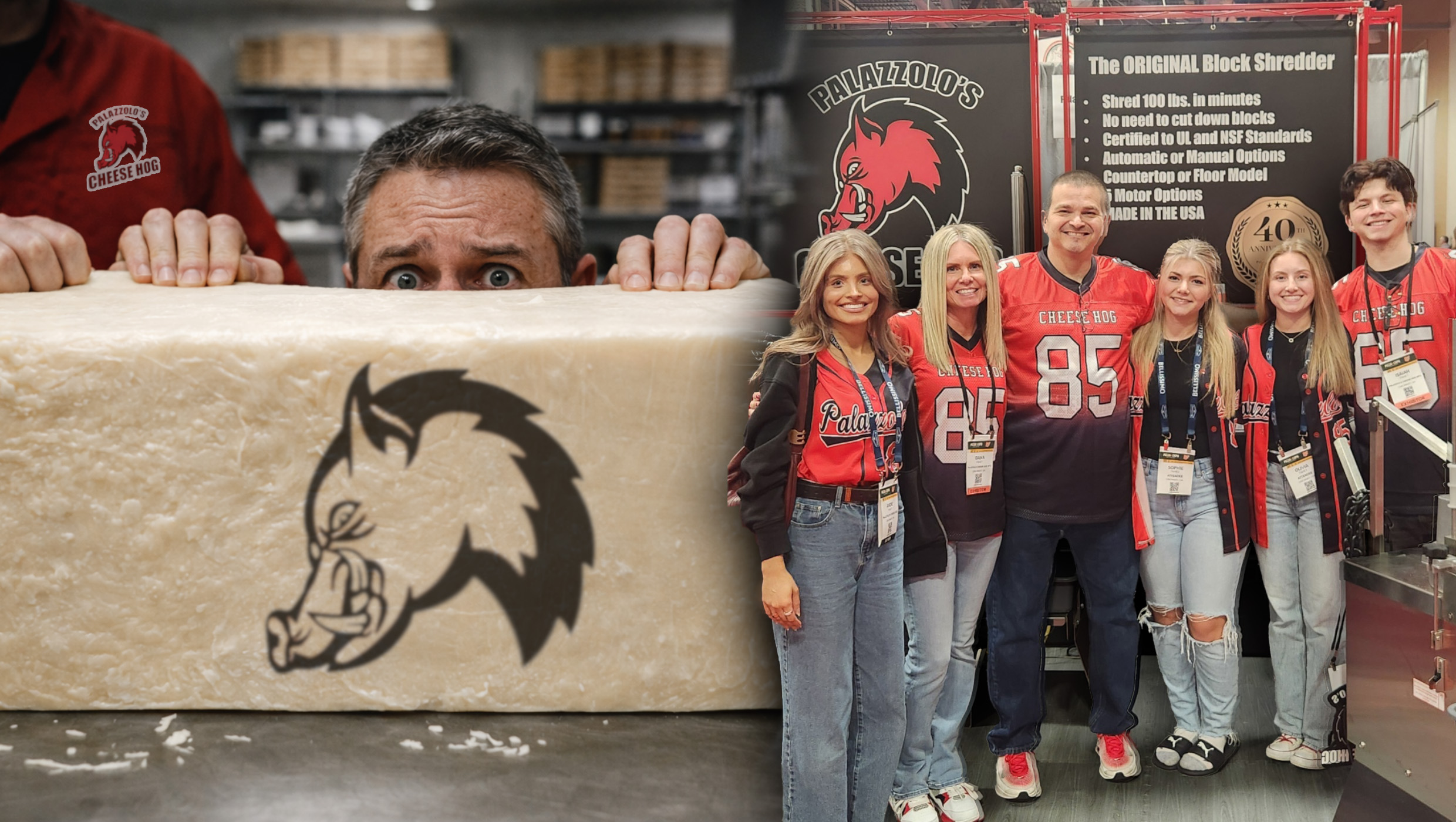
After a pandemic pause and a swarm of “impastas,” the Palazzolo family reclaims its place in the kitchen.
In the pizza business, certain pieces of equipment quietly become part of the scenery. They sit in the corner of the kitchen doing their job day after day while operators worry about dough fermentation, delivery drivers and why mozzarella seems to cost more every Tuesday. Eventually you start noticing something strange. The machine that used to be the only one of its kind suddenly has cousins. Lots of them. Same general shape. Same basic concept. Same job description. If you squint hard enough, you might even say they look like…“impastas.”
Before we get any further, let’s address the mozzarella-covered elephant in the room. Palazzolo’s Original Cheese Hog happens to be a proud Gold 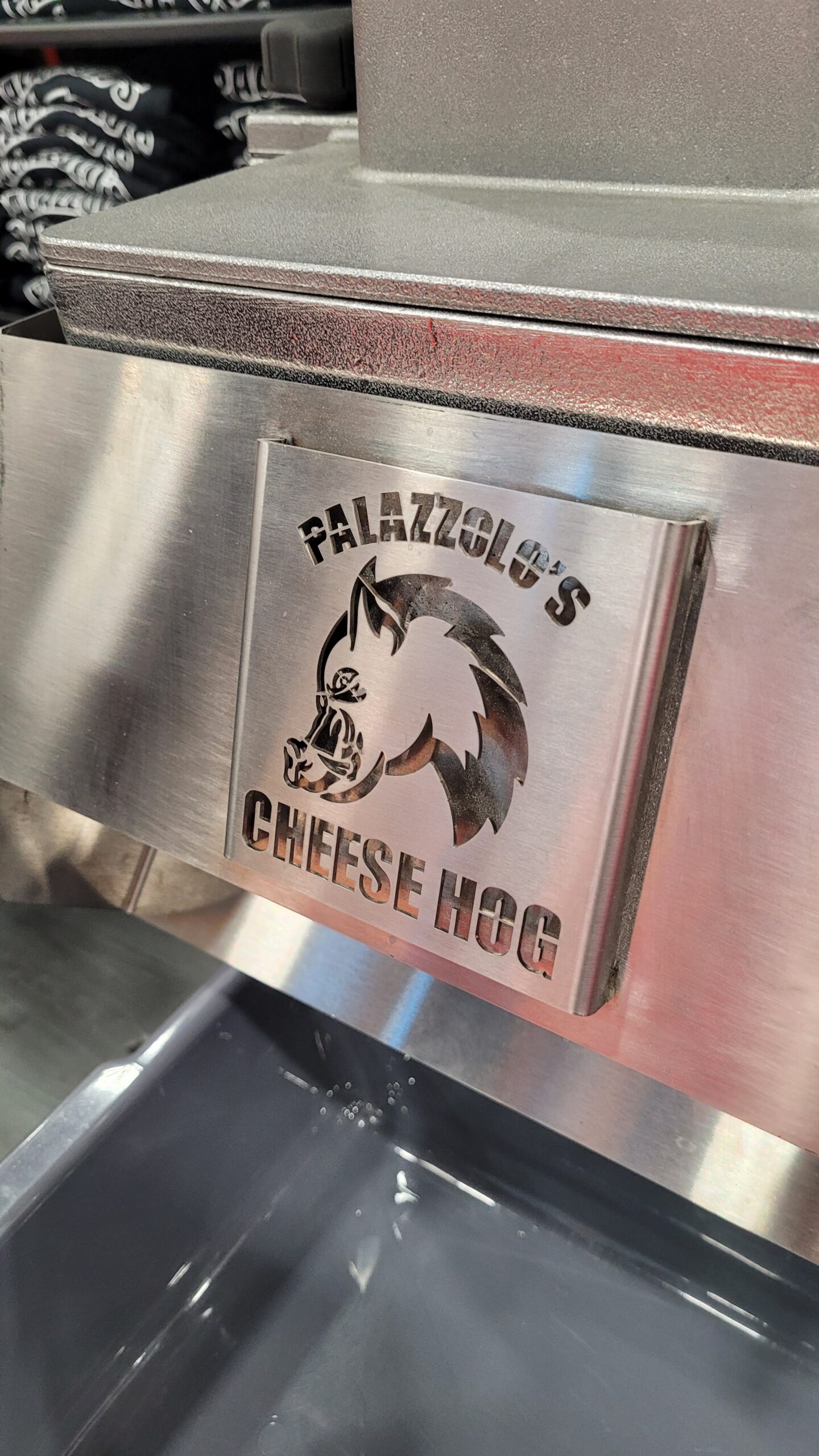 Sponsor of PMQ’s U.S. Pizza Team. Yes, I know how that looks. Cue the disapproving internet comments now. “Of course he wrote about them. They’re a sponsor.” Fair point. That’s what sponsoring the the best pizza culinary team in the country—gets you. Call me!
But the real reason this story caught my attention was the situation itself. A family-run company builds a machine that becomes widely used across the industry. The company pauses production during a global pandemic. While they are gone, a wave of lookalike machines enters the market. Then the original manufacturer returns and finds itself having to remind people where the concept first took hold. Not the act of grating cheese itself, which kitchens have done for centuries, but the heavy-duty, labor-saving format many high-volume operators now take for granted.
That dynamic raises questions every pizza operator understands. If you create something successful, why should you have to fight to reclaim it later? If competitors start producing versions of your idea, where does inspiration end and imitation begin? And if you built the thing in the first place, shouldn’t the industry remember that?
Those questions are what make the story interesting to me. The machine at the center of it all is the Palazzolo Cheese Hog, an industrial cheese shredder originally developed by Peter Palazzolo decades ago. Long before YouTube equipment reviews and social media marketing campaigns, the Cheese Hog quietly built a reputation inside high-volume kitchens across the country. Pizza shops, school cafeterias, universities and large production kitchens relied on it to process large quantities of cheese quickly and consistently.
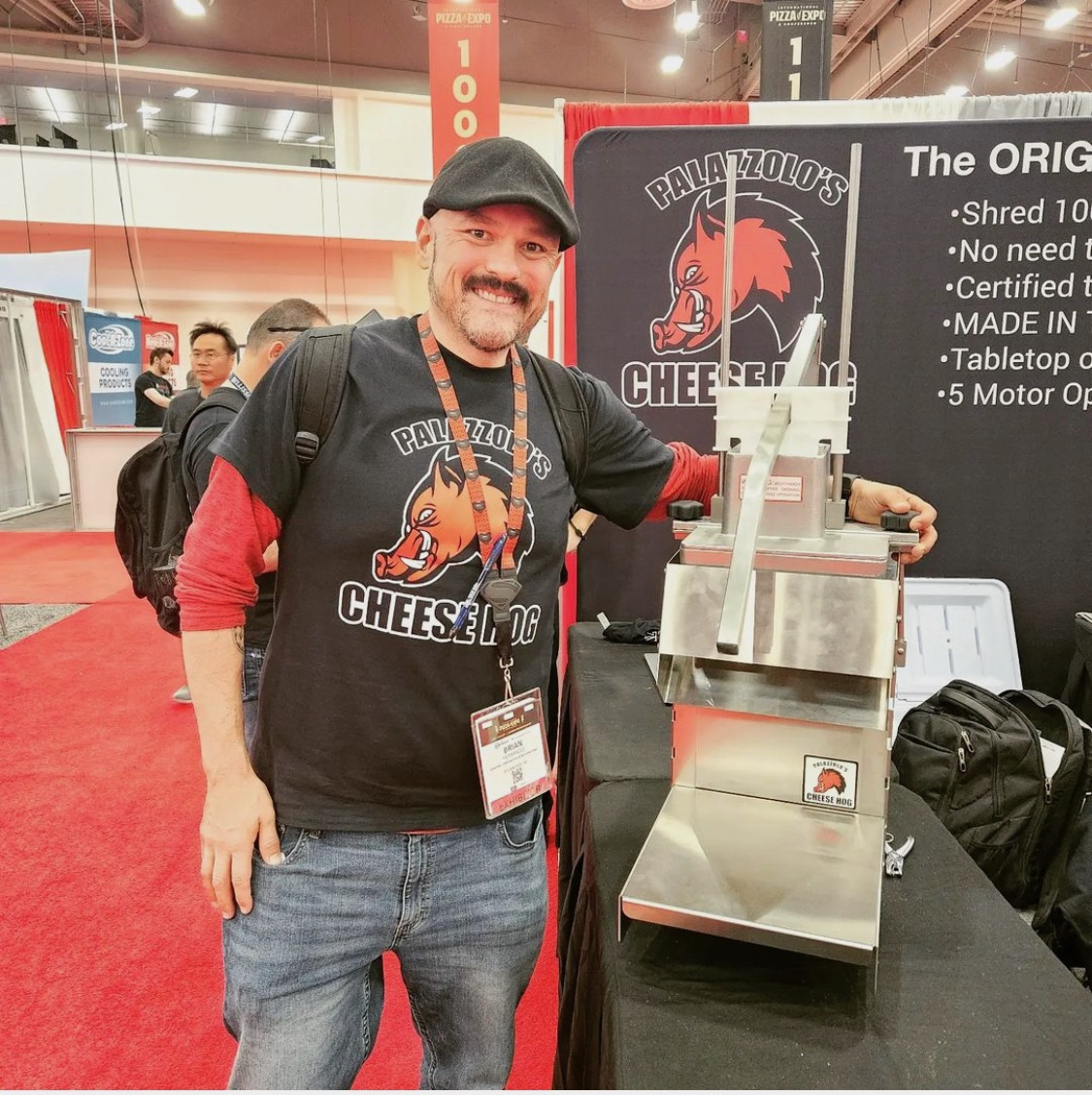 The machine was never designed to be disposable. It was built to handle heavy daily use and keep working year after year, which is why many operators are still running units purchased decades ago.
When the pandemic hit, the company stepped away for a brief pause. What happened next surprised even the people behind the brand.
During the COVID shutdowns, kitchens still needed to shred cheese. Pizzerias were still making pies, and foodservice operations in institutions like hospitals and large facilities still needed efficient prep equipment. With the original manufacturer temporarily quiet, operators began hunting down used Cheese Hog machines wherever they could find them. Equipment dealers started fielding calls, auction houses saw unexpected demand, and restaurant owners began networking just to locate secondhand units.
Scott Fahey, who now leads the company and is Peter Palazzolo’s son, noticed the shift immediately. “At the end of the day, a restaurant owner needs to keep their business moving,” he said. “Finding reliable and affordable equipment is crucial at all times. We found the used market for our machines absolutely exploded because operators already trusted the machines and knew what they were getting.”
In other words, people were not simply replacing the equipment with something new. Many were actively seeking out the original machines because they already knew how those machines performed in busy kitchens.
When the company relaunched in 2022, however, the market looked very different than it had when Fahey’s father first introduced the machine. The 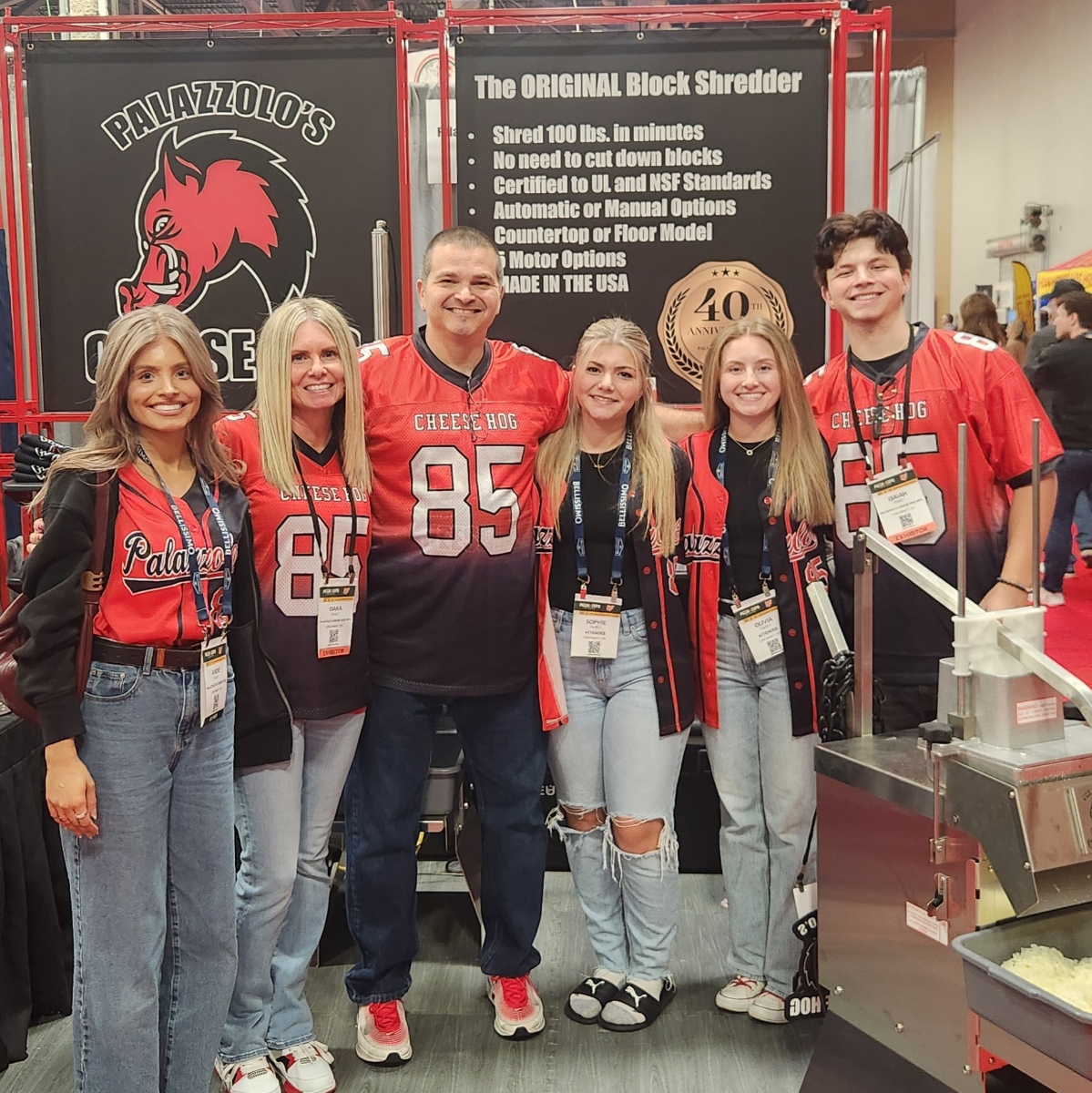 category had grown more crowded, with new manufacturers entering the space and the appearance of a number of machines that looked strikingly similar to the original concept.
Fahey takes a measured view of the competition. “New competitors came to the market, which was great for the category,” he said. “The additional competition and their advertising dollars drew additional interest to all of the brands. This gave consumers the opportunity to see multiple options and decide what best fit their needs.” The internet has also made it easier than ever for operators to compare equipment features and pricing before making a purchase, bringing more visibility to the category overall.
Even with the influx of competitors, the Palazzolo family’s approach when restarting the company was simple: Keep building the machine the same way it had always been built. “We wanted to continue using American-made materials with our family continuing to build every machine like we had in the past,” Fahey says.
That philosophy extends beyond the machine itself. It also shapes the way the company supports its customers long after the sale. The reputation of the Cheese Hog was built not only on durability but also on the relationship Peter Palazzolo maintained with the operators who owned the machines. Fahey remembers stories of his father answering calls from restaurant owners who needed help troubleshooting their equipment, sometimes outside of normal business hours. That approach continues today.
“We offer free lifetime support for every machine sold,” Fahey explained. “We want to help owners save money on unnecessary service calls. They can always call us, and we can help troubleshoot over the phone and guide them through simple repairs.”
Scott believes that level of support is a big reason the brand maintained loyalty even during the temporary pause.
“We want people to feel supported,” he said. “When someone walks away from a conversation with us, we want them to say, ‘Wow, they just helped me troubleshoot my 10-year-old machine for 30 minutes and didn’t charge me a thing.’ Word of mouth is still very much a part of our business model.”
That loyalty helped the Cheese Hog return after the pandemic pause and quickly find its footing in a much more crowded market, giving operators who had spent the previous two years chasing secondhand units the chance to finally buy the real thing again. And judging by how many of them went looking, the pizza world never really forgot where the Hog came from, because when you build the thing in the first place, eventually everyone remembers who the Original Cheese Hog is.
By Brian Hernandez, PMQ Assoc. Editor, US Pizza team Dir.