From second units to fresh concepts, operators are growing with discipline instead of guesswork
There comes a moment when the original four walls start feeling small. The ovens are humming, the systems are tight, the team knows all the dance steps. Then the question creeps in: Do we open another one? Over the past year and into 2026, several U.S. Pizza Team members have answered that question with a decisive yes. While this story doesn’t capture every project in motion, one thing is clear: Expansion is back on
the table, and it’s being approached with intention, not impulse.
Lucatino
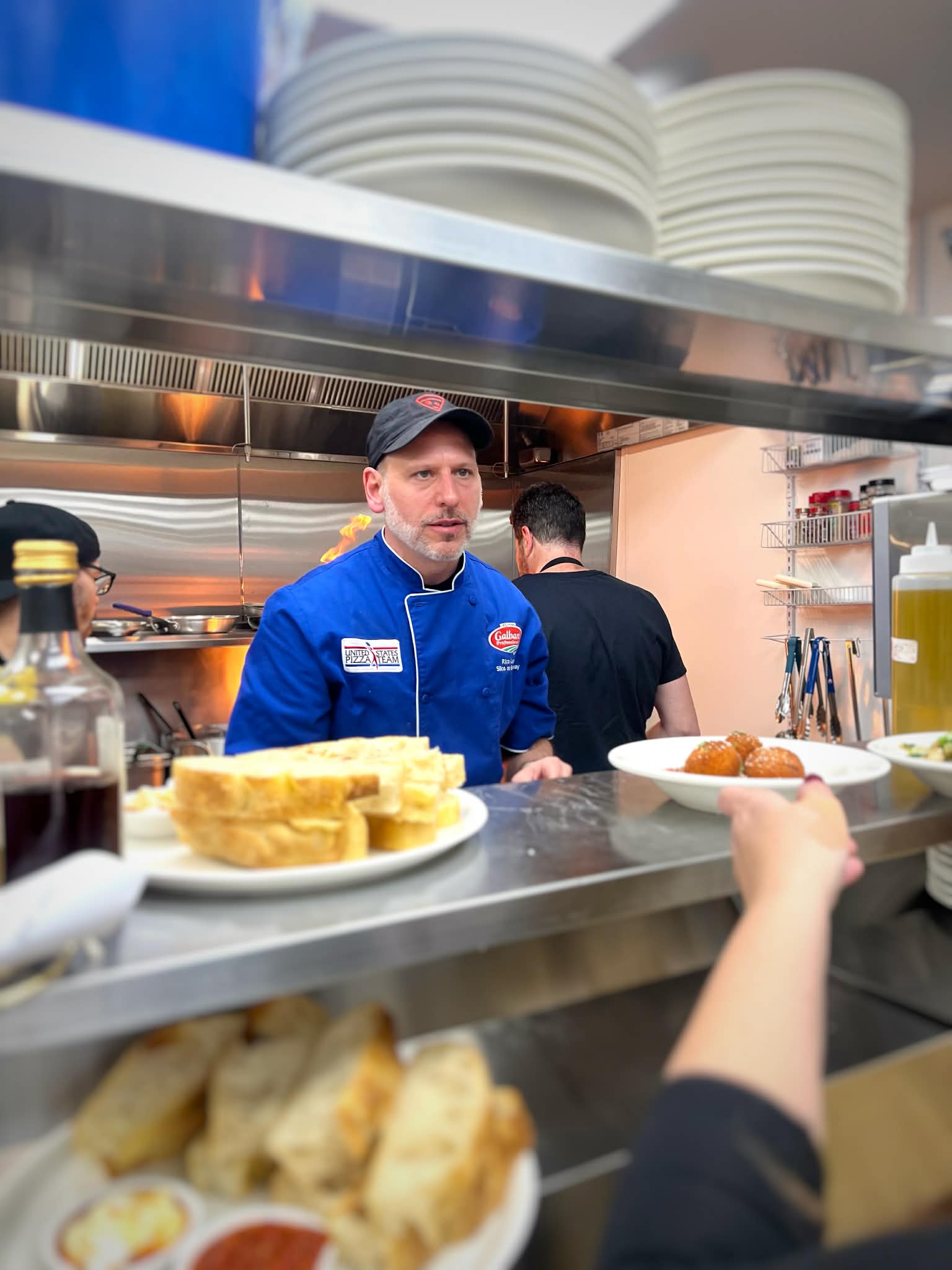
Let’s start with Rico Lunardi of Slice on Broadway in Pittsburgh. On February 11 he launched Lucatino, a full Italian tavern concept that’s more
about the pace of a relaxed meal than the speed of a slice. “Opening Lucatino has been a big shift for me,” Lunardi says. “I’ve spent years building pizza shops where the focus is speed, consistency and dialing in the slice. Moving into a full restaurant forced me to think differently—not just about the food, but about flow, staffing, guest experience and how long people stay instead of how fast they move.”
Granted, Lunardi would have preferred a faster pace as far as getting the new restaurant ready for business. “Build-out delayed the opening quite a bit,” he admits. But what carried Lucatino out of the gate was identity. “One thing that really helped us was giving guests something unique that told our story right away,” he explains. “For us, that’s the focaccia flights and our Tonda Romana pizzas. The focaccia flights let people try multiple flavors, start the table with something interactive, and buy us a little time in the kitchen. The Tonda Romana shows where I come from in pizza but also signals that this isn’t just another pizza shop. It’s a restaurant built around Italian food, not just slices.”
Lucardi leaned on long-standing community relationships and hosted a 65-person soft opening to test the flow. In full service, timing and touchpoints matter as much as the food.
“My biggest tip for anyone opening right now is this,” he says. “Don’t just open your doors. Open with an identity. People can feel when a place knows exactly what it is.”
Pizza a Modo Mio & Café
Mike Pitera understands scale. With Pizza a Modo Mio & Café opening in Charleston (also in February), he now operates a total of four units. The new concept expands beyond pizza into New York bagels, egg sandwiches and coffee, widening his reach into earlier dayparts. His biggest hurdle? “Finding the right staff to make sure you provide the service and quality you’re known for,” Pitera says.
Pitera opted for a soft launch. “I wanted to give my staff the opportunity to learn the flow and fix issues before the grand opening,” he says. Marketing for the new store included social media, direct mail and Chamber of Commerce partnerships. Nothing flashy, just consistent execution.
Danger von Dempsey’s
Sean Dempsey is preparing not to open a new store, but to reopen a previously closed Danger von Dempsey’s location in Aberdeen, South  Dakota, in October. A brutal stretch of setbacks forced him to close that store last year. The brewery system in Watertown was kaput for six months. An oven failure shut down his Brookings store for a month. Road construction crushed traffic in Aberdeen. He finally pulled the plug on the latter and put the real estate on the market.
“The biggest hurdle was the decision to reopen,” Dempsey says. “With our second chance, we’re shifting the concept from a full-service beer and pizza restaurant to a streamlined QSR with a tighter menu and leaner staffing.” That requires reeducating customers on what the brand is now. Meanwhile, mailers, social media teasers and local media interviews will support the relaunch. “It’s super rare that you get that proverbial do-over, so we’re taking full advantage of it,” he says.
 Pizza Cassette
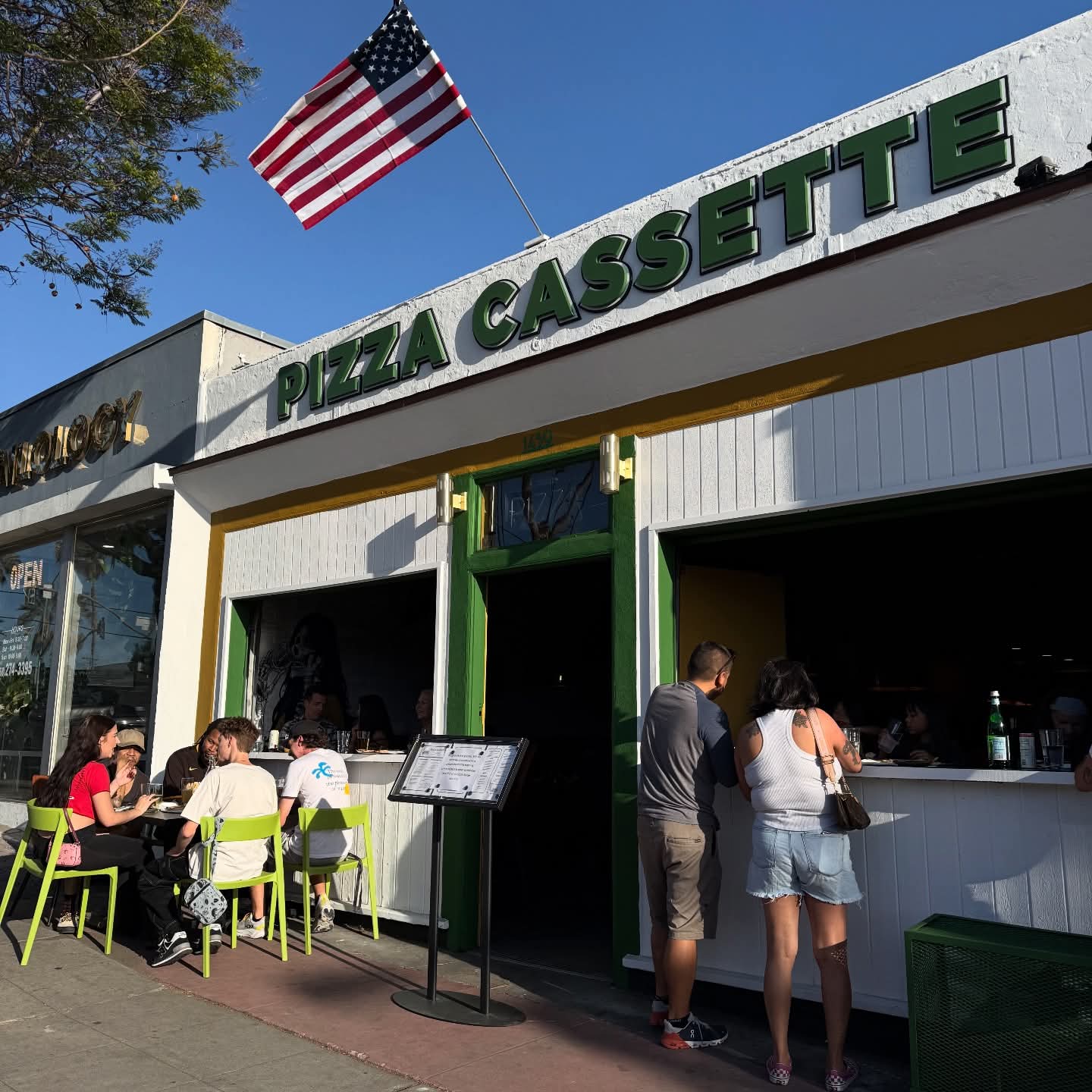
Jimmy Terwilliger opened Pizza Cassette in the San Diego area in March. An artisan-style wood-fired pizzeria with a full bar, it’s his second unit. His biggest challenge was not equipment or permits. “Honestly, I had a lot of difficulty deciding on the interior design and how much to invest into it,” he says. After all, balancing esthetics with budget is its own kind of math. He plans a soft opening and has engaged local social media groups to build buzz before the official launch.
Tievoli Pizza Bar
Giovanni Labbate is expanding Tievoli Pizza Bar, located in Palatine, Illinois, to two units as well. His biggest hurdle was staffing. “Staffing is everything,” he says. “You can have the best product in the world, but if the team isn’t ready, it shows.” He said he’s relying on text messaging,
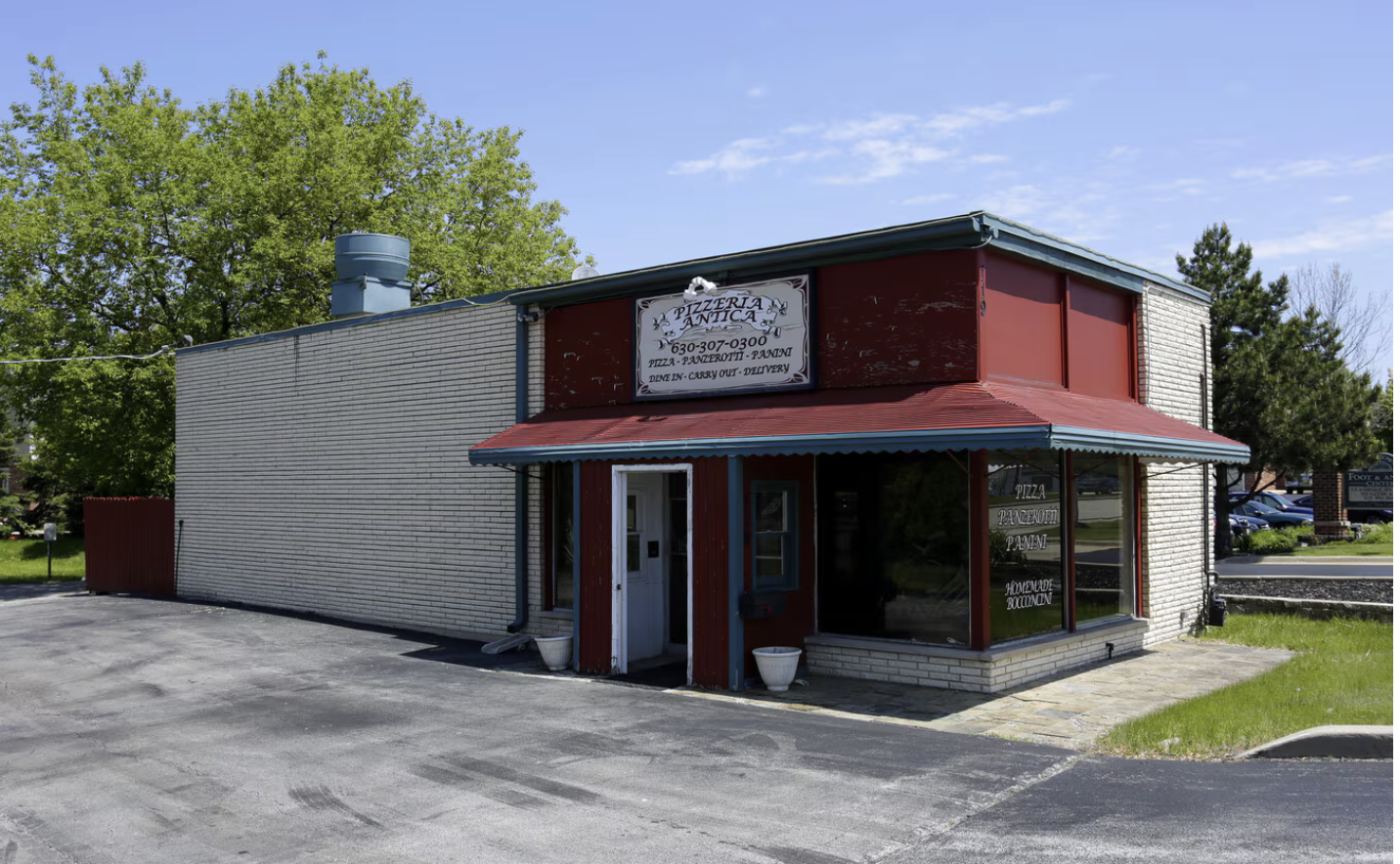
email blasts and social media to announce the new location and chose a soft opening to “gradually increase sales and attendance.”
Lessons to Be Learned
Not every opening is polished. Some are scrappy. Others are exhausting. Most are both. What connects these stories is intentionality.
Lunardi built a new identity around Italian tavern culture. Pitera expanded into complementary dayparts while guarding quality. Dempsey closed, recalibrated and will return smarter. Terwilliger shaped an esthetically distinct store No. 2. Labbate focused on steady staffing and rollout. And Jacobson pushed through the operational grind.
During a growth phase, the deeper question is often whether to replicate or reinvent. Replication leverages brand equity. Reinvention demands clarity but opens up additional moneymaking opportunities.
There is also strength in replication. Opening another unit of an existing concept allows you to lean on proven systems, experienced team leaders and brand equity that already resonates in the market. Vendors know your specs. Customers know what to expect. Your training manuals are battle-tested rather than theoretical. Replication does not equal lack of creativity, but it does require discipline.
On the other hand, launching a new concept, as Lunardi did, demands instant impact. “If you give them something memorable from day one, the word spreads fast,” he says.
Brian Hernandez is PMQ Pizza’s associate editor and coordinator of PMQ’s U.S. Pizza Team.